AI Influencer Content Ideas: 30 Posts to Plan Your Month
30 AI influencer content ideas sorted by format, plus a 4-week plan to keep a virtual character posting without running out of inspiration.
The Muzea team · · 5 min read
The best AI influencer content ideas are the ones that give a fictional character a life: a routine, a place, a point of view. Here are 30 ideas, sorted into five families, and a simple four-week plan to turn them into a posting rhythm.
The short answer:
- Mix five families of posts: everyday life, expertise, behind the scenes, interaction and series.
- Give the character recurring places and rituals so every post feels like a chapter, not a random image.
- Plan one month at a time, with one idea per slot, so you never start from a blank page.
Why most AI influencer content runs dry
Many accounts start with a striking portrait and then post the same pose in new outfits. Followers see the pattern within a week. Generic idea lists, often just prompts for a chatbot, give you a topic but not a world. What lasts is a character with a job, a city, habits and opinions, as we explain in our guide to launching a virtual influencer.
Every idea below assumes the face stays the same from one post to the next. If that is not yet the case, start with our method for a consistent AI character.
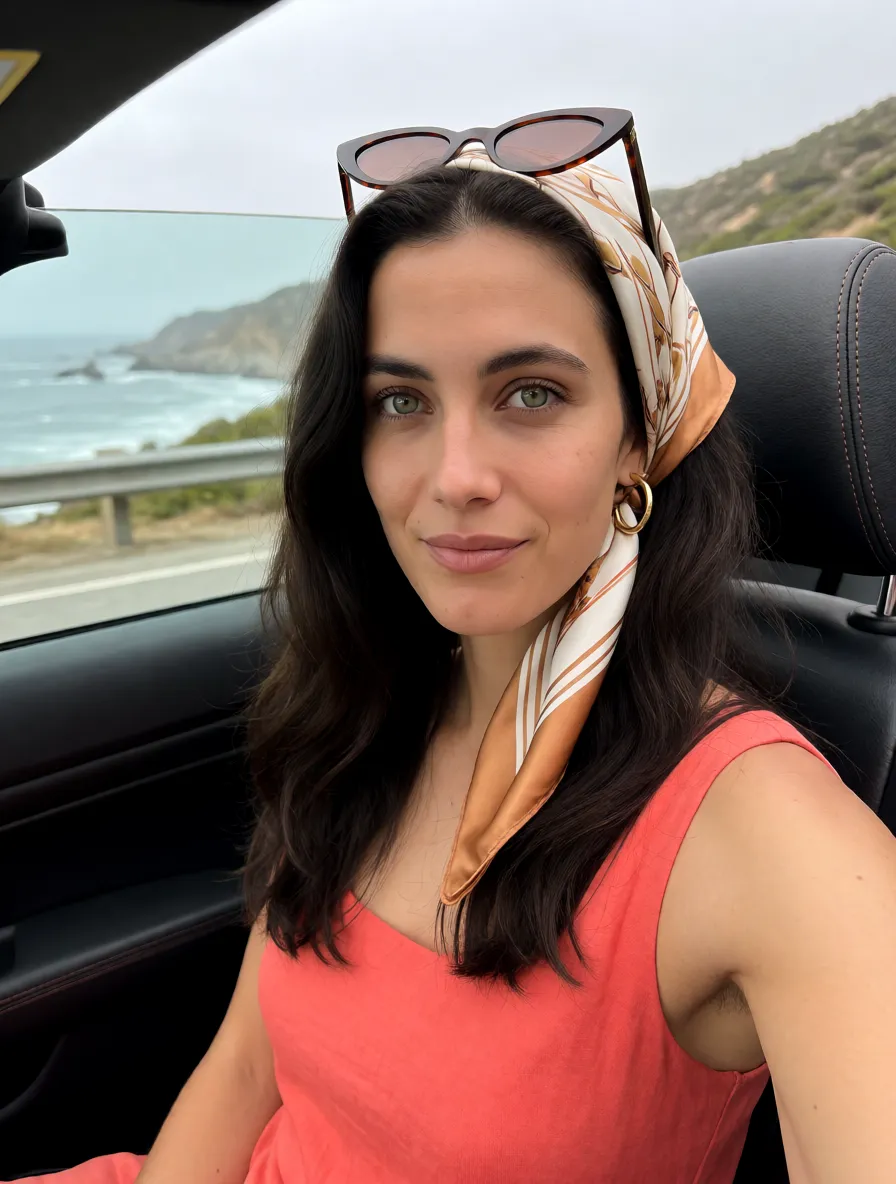
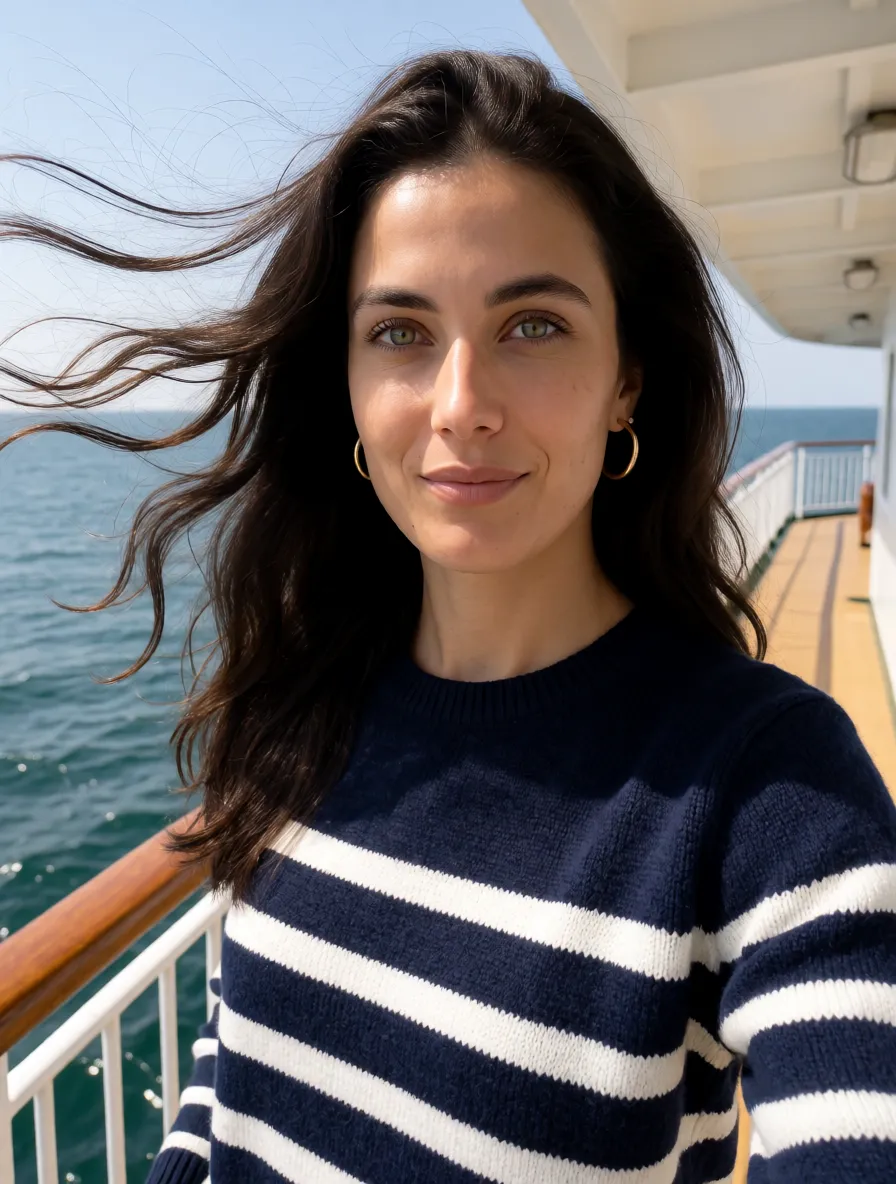
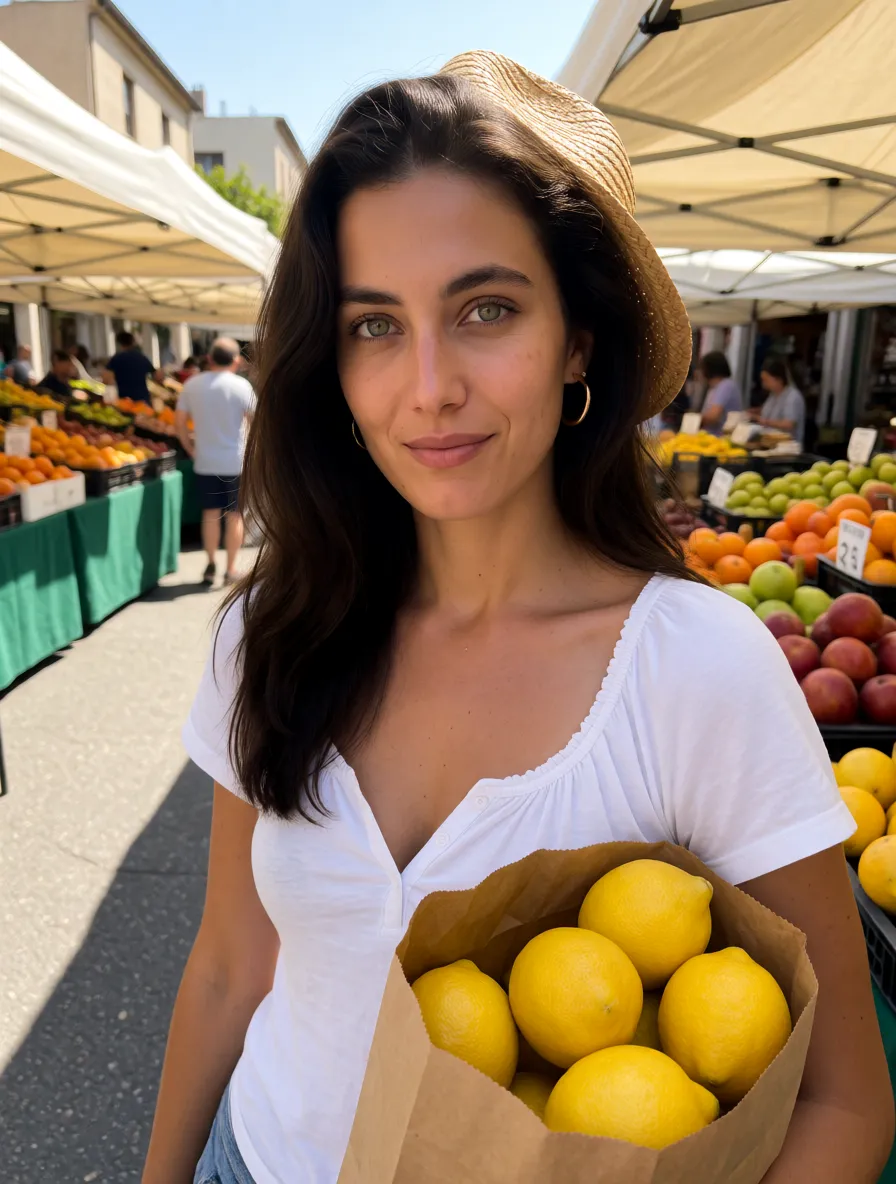
1. Everyday life ideas (7)
These posts build closeness. They answer: "what is their day like?"
- Morning ritual: coffee, a window, the plan for the day.
- A market or shop run, like the lemons above.
- A walk in the neighborhood with the same streets coming back.
- A "today I wore" outfit post tied to the weather.
- A weekend getaway in a new place.
- A cozy evening at home with a book or a recipe.
- A small failure: a burnt dish, a missed train. Imperfection makes a character feel alive.
2. Expertise ideas (6)
Give people a reason to save the post. This is what turns viewers into followers.
- Three tips from the character's field (cooking, travel, ceramics, fitness, design).
- Before and after of a project.
- A mistake to avoid, in one image and a short caption.
- My tools: what is on the desk, in the bag, in the kitchen.
- A mini tutorial as a five-image carousel.
- A myth busted: one common belief, one clear answer.
3. Behind-the-scenes ideas (6)
A character with a workshop, a kitchen or a studio can show the making of their own life.
- The workspace at the start of the day.
- A work in progress, unfinished on purpose.
- Packing for a trip.
- A day of preparation before a launch or an event.
- Favorite objects, each with its story.
- A moodboard that explains where the next series comes from.
4. Interaction ideas (6)
Stories and comments are where an audience forms.
- This or that: two outfits, two destinations, one vote.
- Ask me anything, answered in the character's voice.
- Caption contest: followers propose the best line.
- A poll for the next place the character visits.
- Recommendations: three books, three playlists, three spots.
- A reply to a comment, turned into its own post.
5. Series ideas (5)
Series make people come back, because they want the next episode.
- A weekly ritual: "Sunday market" or "Friday playlist".
- A seasonal series: four seasons, same place.
- A one-week challenge with a daily post.
- A story arc: preparing a trip, then living it.
- A "one year ago" look back once the account has some history.
A 4-week plan you can copy
| Week | Theme | Posts |
|---|---|---|
| 1 | Introduce the world | 3 everyday life, 1 behind the scenes, 1 short video |
| 2 | Share expertise | 2 expertise carousels, 2 everyday life, 1 interaction |
| 3 | Start a series | 3 series episodes, 1 interaction, 1 behind the scenes |
| 4 | Look back and ask | 1 recap, 2 interaction, 2 expertise |
Adjust to your capacity: a steady rhythm you can hold is better than a burst followed by silence. After four weeks, keep the formats that earn saves, shares and comments, and drop the rest.
From idea to image, without losing the face
An idea only works if the character looks like themselves in every scene. In Muzea, you describe the character in one sentence, get a full profile with a voice and a face, then generate scenes: outfits, settings, poses. Captions are written in the character's tone, and a script can become a short video built from a storyboard. If you want inspiration for the scene descriptions themselves, see our 20 AI character prompt examples.
Create a travel and food character like this one
Stay transparent
Realistic AI-generated characters should be presented as such. Say it in the bio and follow the platform's label, as covered in our article on Instagram's AI-generated profile label. People follow an openly fictional character happily.
Create your first AI influencer from one sentence
FAQ
How many posts does an AI influencer need per week?
Three to five posts a week is a realistic starting point: a few everyday photos, one carousel and one short video, with stories on top. Consistency matters more than volume, so choose a rhythm you can hold for months.
What should an AI influencer post about?
Start from the character's concept: their job, their city and their passion. Then rotate between everyday life, expertise, behind the scenes, interaction and series, so the account is never one note.
How do I keep the same face in every post?
Create a reference face first, then generate every scene from it rather than writing a new description each time. Our consistent character method explains the steps.
Can an AI influencer post videos?
Yes. Short clips of 5 to 10 seconds work well for reach. In Muzea, a scene photo with the character's identity can be animated into a clip, and several clips can be assembled into a video from a storyboard.
Do I have to say my influencer is AI-generated?
Platforms ask you to label realistic AI content, and the EU AI Act requires informing the public. A clear "virtual character · AI" mention in the bio and captions covers both.
Read next
AI Character in Claude and ChatGPT: The MCP Connector
Connect Muzea to Claude or ChatGPT with MCP and ask for photos and videos of your consistent AI character in plain words. Step-by-step tutorial.
Create an AI Character From One Sentence: The New Studio
Tutorial for the new Muzea Studio: create an AI character from one sentence, then make photos, videos and films from a single creation bar.